Women’s History Month
March is Women’s History Month, we’re celebrating the incredible resilience of the female body. From puberty to bregnancy, postpartum recovery to menopause, your body moves through powerful hormonal and physical transitions.

March is Women’s History Month, we’re celebrating the incredible resilience of the female body. From puberty to bregnancy, postpartum recovery to menopause, your body moves through powerful hormonal and physical transitions.
After giving birth, most new parents are told to schedule a 6-week postpartum visit with their OB-GYN or midwife. This visit is important—but it often focuses on medical clearance rather than how your body is functioning day to day.
After giving birth, most new parents are told to schedule a 6-week postpartum visit with their OB-GYN or midwife. This visit is important—but it often focuses on medical clearance rather than how your body is functioning day to day.
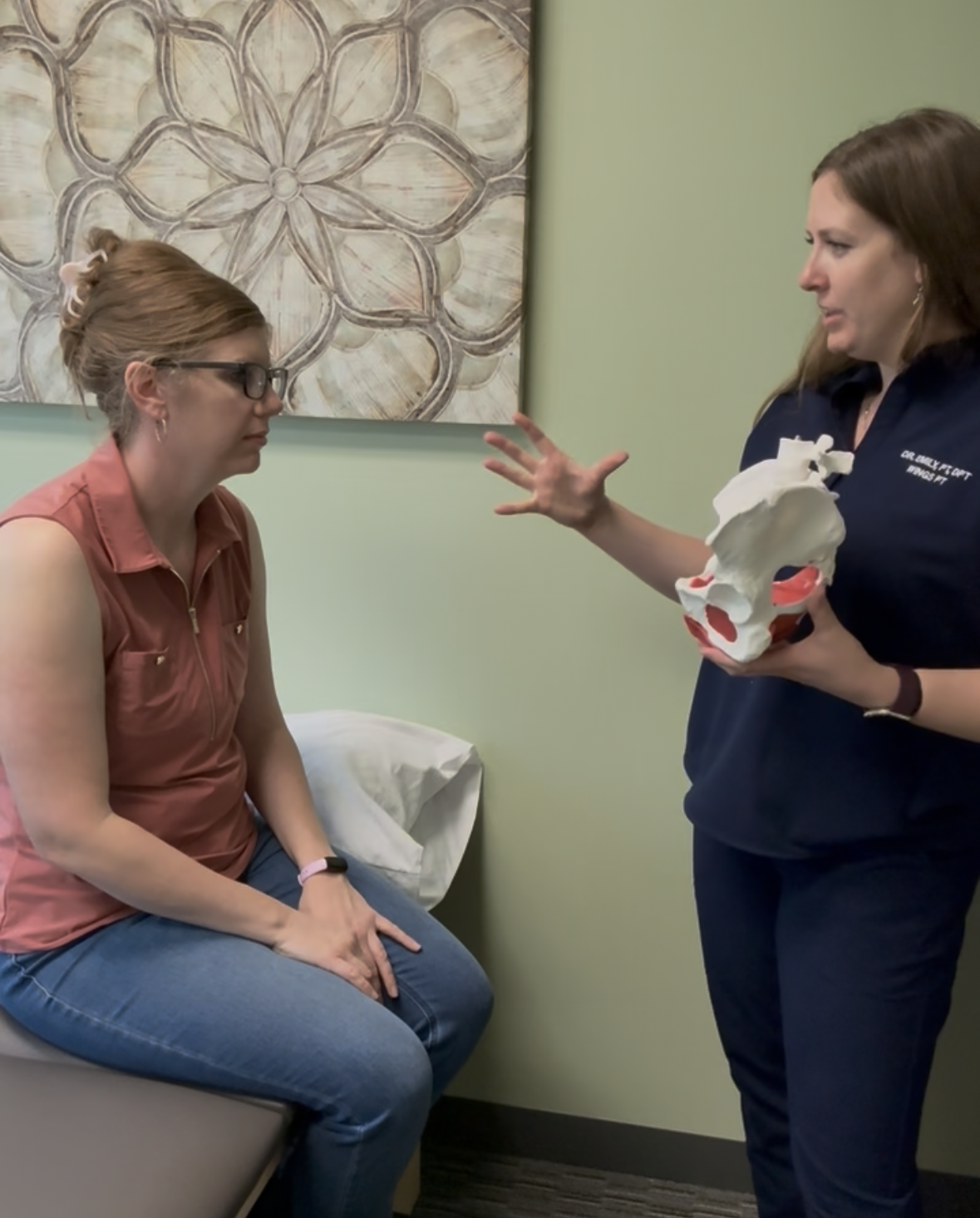
Pelvic health is something many people don’t think about—until something doesn’t feel right. Yet the pelvic floor plays a critical role in how we move, function, and feel every day. At our clinic, pelvic health physical therapy is at the core of what we do, and we believe that with the right education and care, people can feel empowered rather than embarrassed to seek help.
If you’ve ever dealt with unexpected bladder leaks, pressure in your pelvis, or discomfort after childbirth, you’re not alone — and you’re not stuck with it. Pelvic floor physical therapy could be a game-changer.
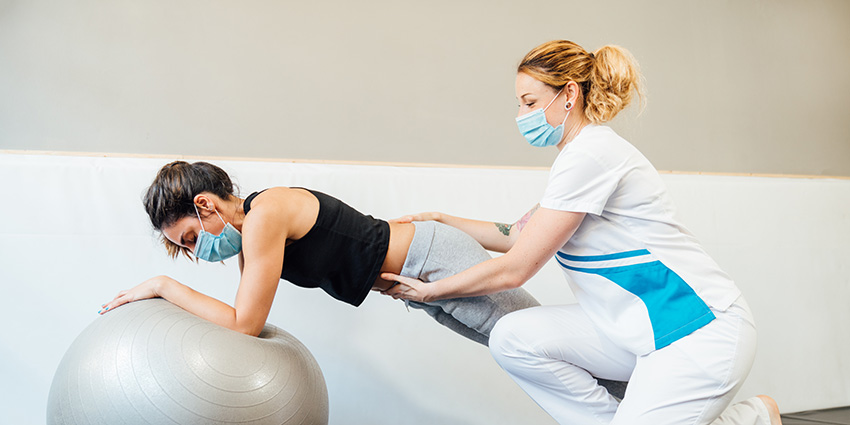
When people hear “pelvic floor therapy,” they often think of new moms doing Kegels. But there’s so much more to it – and pelvic floor dysfunction can affect people across all ages and genders.