Women’s History Month
March is Women’s History Month, we’re celebrating the incredible resilience of the female body. From puberty to bregnancy, postpartum recovery to menopause, your body moves through powerful hormonal and physical transitions.

March is Women’s History Month, we’re celebrating the incredible resilience of the female body. From puberty to bregnancy, postpartum recovery to menopause, your body moves through powerful hormonal and physical transitions.
After giving birth, most new parents are told to schedule a 6-week postpartum visit with their OB-GYN or midwife. This visit is important—but it often focuses on medical clearance rather than how your body is functioning day to day.
After giving birth, most new parents are told to schedule a 6-week postpartum visit with their OB-GYN or midwife. This visit is important—but it often focuses on medical clearance rather than how your body is functioning day to day.
If you’ve ever dealt with unexpected bladder leaks, pressure in your pelvis, or discomfort after childbirth, you’re not alone — and you’re not stuck with it. Pelvic floor physical therapy could be a game-changer.
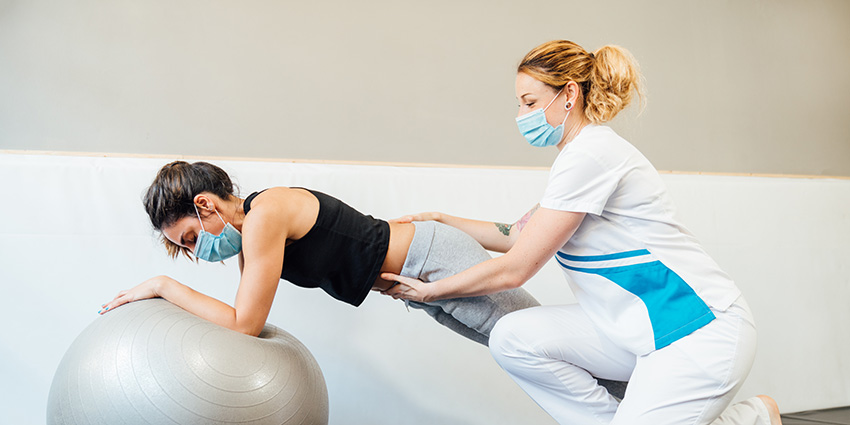
When people hear “pelvic floor therapy,” they often think of new moms doing Kegels. But there’s so much more to it – and pelvic floor dysfunction can affect people across all ages and genders.

At your 6-week postpartum check-up, you were probably told everything looked “fine.” But maybe your body doesn’t feel fine – and that’s valid
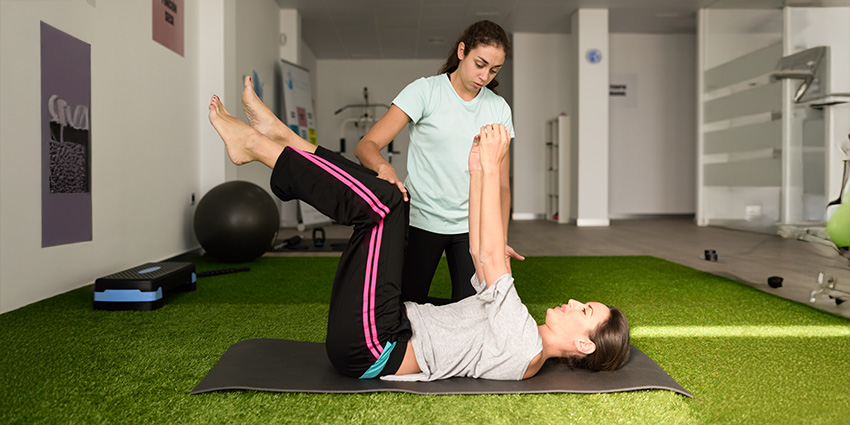
Let’s be honest – walking into a pelvic floor physical therapy session can feel a little nerve-wracking if you don’t know what to expect. But here’s the good news: we’re here to make your experience as comfortable, empowering, and stress-free as possible.