
Navigating Stress Urinary Incontinence: A Pelvic Floor PT Guide
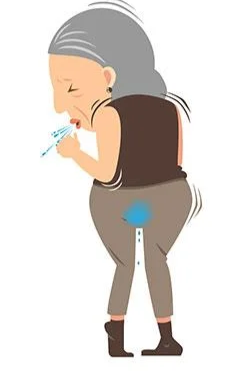
Do you struggle with unexpected leaks when you sneeze, cough, laugh, or jump? Do you find yourself wearing dark pants to the gym just in case, or cross your legs tightly every time you feel a tickle in your throat?
If so, you are far from alone. Stress Urinary Incontinence (SUI) affects millions of people, yet it remains one of those topics people rarely speak about openly. Despite how common it is, here is the most important thing you need to know: leaking is common, but it is not normal. You do not have to accept SUI as an inevitable part of aging, postpartum life, or high-impact workout routines.
In pelvic floor physical therapy, we look at SUI as a balance issue between downward pressure and muscular support. Here are actionable, evidence-based strategies to help you stay dry and regain confidence in your daily life.
Understanding the Physiology: Why SUI Happens
At its core, SUI is a mechanical mismatch between downward pressure inside your abdomen and upward support from your pelvic floor and urethra.
When you cough, jump, or lift something heavy, your abdominal cavity experiences a sudden spike in intra-abdominal pressure. Think of your pelvic floor like a dynamic trampoline: to stay dry, it must react instantly, compressing the urethra upward against a supportive layer of tissue (often called the “trampoline mat”) to seal off urine flow.
If that seal fails under physical stress, urine leaks out.https://atlanticurologyclinics.com/conditions/stress-urinary-incontinence-sui/
Common Root Causes of Stress Incontinence
Because SUI is about pressure management and muscle function, it can stem from a wide variety of causes:
- Pelvic Floor Overactivity & Stress: Chronic stress, anxiety, or habitual clenching/ tightening of the stomach can cause you to unconsciously grip your pelvic floor or abdominal muscles, leading to hypertonicity and muscle fatigue.
- Pregnancy and Childbirth: Hormonal changes, tissue stretching, or nerve trauma during delivery can impair the automatic timing and support structure around the urethra.
- Hormonal Shifts & Menopause: Declining estrogen levels can reduce collagen quality, tissue elasticity, and the natural bulk of the urethral sphincter lining, making the seal easier to break.
- Poor Pressure Management During Exercise: Holding your breath during heavy lifts, bracing your abs rigidly, or bearing down while pushing weights increases downward force directly onto the bladder neck.
- Chronic Coughing or Constipation: Repeatedly straining on the toilet or coughing hard puts repetitive physical strain on the supportive connective tissues of the pelvis over time.
- Postural & Movement Mechanics: Habitually tucking your tailbone, clenching your glutes, or breathing solely into your upper chest restricts the movement of your diaphragm and pelvic floor, disrupting their coordinated support.
1. Master “The Knack” (Pre-Contraction)
One of the fastest ways to prevent situational leaks is a motor control technique known as The Knack.
- How it works: Right before you cough, sneeze, laugh, or lift something heavy, perform a quick, quick-response pelvic floor contraction (a squeeze and lift inward and upward).
- Why it matters: Timing is everything. By pre-contracting these muscles, you secure the urethra against the sudden downward surge of pressure, preventing urine from escaping.
2. Exhale on the Exertion (Don’t Hold Your Breath!)
Holding your breath while lifting, pushing, or jumping creates a “pressure valve” effect inside your abdomen, forcing all that force downward directly onto your bladder and pelvic floor.
- Match breath to movement: Exhale as you perform the hardest part of any movement (e.g., exhaling as you stand up from a squat, or exhaling as you lift a heavy grocery bag).
- Avoid the Valsalva maneuver: Try to keep your airway open rather than bearing down. Exhaling releases internal pressure safely through your lungs rather than forcing it down against your pelvis.
3. Move Beyond “Just Doing Kegels”
While Kegel exercises are widely recommended, they aren’t always the complete answer—and sometimes, doing them incorrectly can worsen symptoms.
- Quality over quantity: A proper pelvic floor contraction involves an upward and inward lifting motion, followed by a complete relaxation.
- Strength vs. overactive: Leaks don’t always mean your pelvic floor is weak; sometimes muscles are tight, short, and exhausted. An overactive, tight muscle cannot react quickly to sudden pressure. In those cases, learning to relax and lengthen the muscles is required before or while building strength.
4. Work on Posture and Core Co-Contraction
Your pelvic floor doesn’t work in isolation—it operates as part of a deep core team alongside your diaphragm, abdominal wall, and deep back muscles.
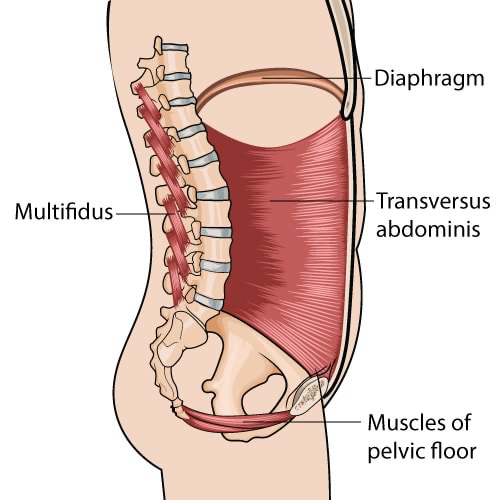
https://mariskaodendaal.co.za/blog/the-abdominal-canister-getting-to-the-core-of-the-matter
- Avoid slumping or chest-puffing: Severe slouching or extreme lower-back arching changes the angle of your pelvis, making it harder for your pelvic floor to contract effectively.
- Maintain a neutral spine: Keeping your ribcage balanced over your pelvis allows intra-abdominal pressure to distribute evenly across your entire core, taking excessive stress off your bladder.
5. Check Your Bladder Trigger Habits
Certain lifestyle habits can irritate your bladder lining, making SUI symptoms feel much harder to manage:
- Watch bladder irritants: Caffeine, carbonated drinks, artificial sweeteners, and alcohol can irritate the bladder muscle, increasing sensitivity and urgency.
- Stop “just in case” peeing: Going to the bathroom “just in case” trains your bladder to hold smaller amounts of urine over time, reducing its natural capacity and increasing sensitivity.
When to See a Pelvic Floor Physical Therapist
If self-care strategies aren’t fully stopping your leaks, an individualized evaluation with a pelvic floor PT can make all the difference. A specialized therapist can evaluate your specific muscle tone, breathing mechanics, and movement patterns to tailor an exact plan for your goals—whether that’s running a marathon, lifting heavy weights, or simply laughing without worry.