
Strategies for Complete Bladder Emptying
https://www.kauveryhospital.com/blog/urology/what-causes-incomplete-emptying-of-the-bladder/
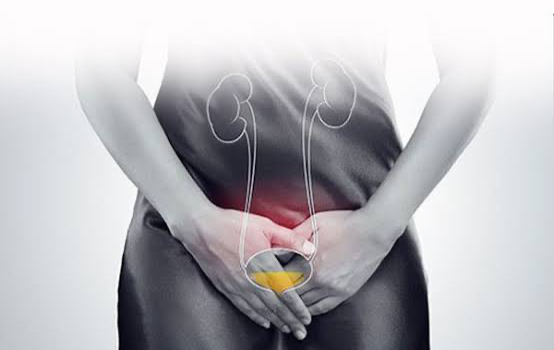
Do you struggle with feeling like you haven’t completely emptied your bladder? Do you find yourself sitting on the toilet for minutes at a time or having to go again just moments after walking out of the bathroom?
If so, you are far from alone. In the world of pelvic floor physical therapy, incomplete bladder emptying is one of the most common concerns patients share with us. The good news is that emptying your bladder efficiently often comes down to biomechanics, muscle relaxation, and habit adjustment—all things you can improve with the right strategies.
Below are evidence-based, pelvic floor-approved strategies to help you achieve a full and comfortable bladder empty.
1. Optimize Your Sitting Posture (Ditch the Hover!)
The way you sit on the toilet has a massive impact on your pelvic floor muscles.
- Foot support is key: Place your feet flat on the ground or, ideally, rest them on a footstool (like a Squatty Potty). Elevating your knees slightly above your hips relaxes the pelvic floor muscles, unkinking the urethra and opening up the pelvic angle.
- Lean forward: Lean slightly forward from your hips while keeping your back straight, resting your elbows comfortably on your knees.
- Stop hovering: Hovering over public toilet seats forces your pelvic floor muscles to stay contracted to stabilize your body. When these muscles can’t fully relax, your bladder cannot squeeze efficiently. Use a paper seat cover so you can sit down completely.
2. Stop Pushing or Bearing Down
It might feel natural to strain or push down with your abdominal muscles to “force” the last drops out, but this can actually backfire.
When you push or strain:
- You send signals to your pelvic floor muscles to contract or guard, which partially closes off the urethra.
- You increase intra-abdominal pressure, which over time can weaken your pelvic floor or contribute to pelvic organ prolapse.
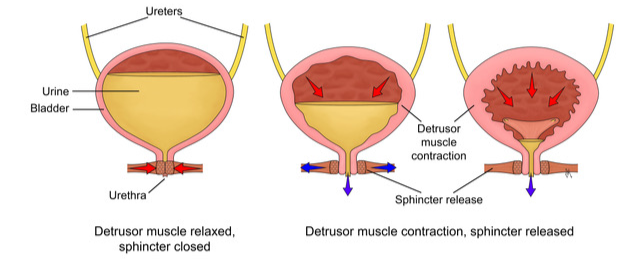
The Golden Rule: Let the bladder muscle (the detrusor) do the work. It is designed to contract reflexively to squeeze urine out. Your main job is simply to relax and get out of the way.
https://thepogp.co.uk/patients/pelvic_health_advice/healthy_bladder.aspx
3. Practice Intentional “Double-Voiding”
Double-voiding is a wonderful therapeutic tool when done correctly. The goal isn’t to sit on the toilet and force out every drop, but rather to give your bladder a second opportunity to empty after a short rest.
How to double-void effectively:
- Finish your initial void completely without pushing.
- Stand up, stretch, or walk around the bathroom for 30–60 seconds. Alternatively, gently rock back and forth on the seat or lean side-to-side to help any trapped urine settle.
- Sit back down in your optimal posture, relax your pelvic floor, and see if your bladder releases a second void naturally.
4. Tap Into Sensory Cues (Auditory & Thermal Stimuli)
The bladder and pelvic floor are heavily controlled by the autonomic nervous system. If anxiety, tension, or a shy bladder (paruresis) are holding back your flow, sensory triggers can help trigger the micturition (peeing) reflex:
- Turn on the faucet: The sound of running water creates an auditory feedback loop that signals to your brain that it’s safe for the bladder sphincter to relax.
- Listen to water sounds: If you’re away from home or want to save water, playing a quick audio clip of rainfall or running water on your phone works wonders.
- Run warm water over your hands: Immersing your hands in warm water stimulates the parasympathetic (“rest and digest”) nervous system, easing tension in the pelvic floor and encouraging the bladder muscle to contract.
5. Practice Deep, Diaphragmatic Breathing
Breathing is one of the quickest ways to reduce pelvic floor tension.
- Breathe into your belly: As you sit on the toilet, take slow, deep breaths into your lower ribs and abdomen.
- Relax on the exhale: As you exhale, gently blow out air through soft, unpursed lips (think of making a quiet “hhhh” sound or gently blowing out a candle). This naturally lowers pelvic floor tone without straining.
6. Check Your Hydration Habits
It sounds counterintuitive, but drinking too little water can make bladder emptying harder.
When you don’t drink enough fluid, your urine becomes highly concentrated. Concentrated urine irritates the bladder lining, causing muscle spasms, false sensations of urgency, and erratic bladder contractions. Aim for consistent water intake throughout the day so your bladder fills appropriately, allowing for strong, complete empties.
When to Seek Help from a Pelvic Floor Physical Therapist
While these self-care strategies are a great place to start, persistent feelings of incomplete emptying, painful urination, or frequent urinary tract infections (UTIs) should always be evaluated by a healthcare provider or a pelvic floor physical therapist.
A pelvic floor PT can assess whether tight pelvic floor muscles (hypertonicity), pelvic organ prolapse, or nervous system dysfunction are contributing to your symptoms and create a personalized plan to help you find lasting relief.